Licensed Payment Systems Bolster Mobile Security Under French Regulatory Guidance for Dealer Tables and Slot Jackpots
Écrit par Viktor Hayes · 26/8/2026
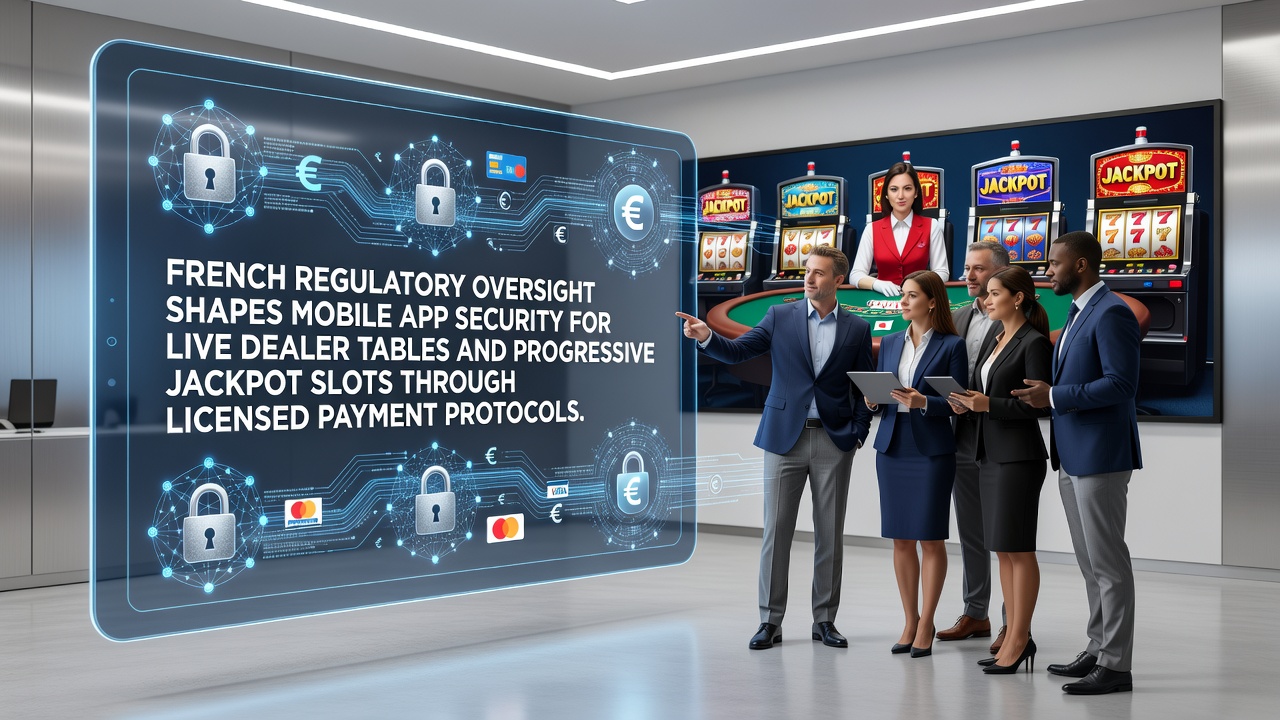
Licensed Payment Systems Bolster Mobile Security Under French Regulatory Guidance for Dealer Tables and Slot Jackpots
French regulatory bodies maintain strict control over mobile app security for live dealer tables and progressive jackpot slots, channeling these standards through licensed payment protocols that operators must follow. The approach centers on the Autorité Nationale des Jeux, which enforces encryption requirements, transaction monitoring, and authentication layers that protect user data during real-time gameplay sessions. Data from industry reports shows that compliance with these protocols reduces unauthorized access incidents by measurable margins across platforms operating in the region.
Core Elements of French Licensing Requirements
Operators seeking approval must integrate payment gateways that undergo rigorous testing before deployment, and these gateways handle deposits and withdrawals while logging every transaction for audit purposes. Research indicates that such systems incorporate multi-factor authentication alongside biometric options, which together create barriers against fraud in environments where progressive jackpots accumulate across thousands of mobile users simultaneously. Observers note that live dealer tables demand additional safeguards because video streams and chat functions operate in parallel with financial exchanges, requiring synchronized security measures that prevent interception or manipulation.
Payment Protocol Integration and Data Protection
Licensed payment protocols operate under frameworks that mandate end-to-end encryption for all financial data transfers, and these measures extend to session tokens that verify player identity throughout extended gaming periods. According to figures from regulatory filings, platforms using approved protocols demonstrate higher rates of successful dispute resolution when transaction discrepancies arise. The process involves continuous monitoring that flags unusual betting patterns, particularly those tied to progressive jackpot contributions, which helps maintain integrity across mobile networks that vary in stability and speed.
August 2026 marks the rollout of updated verification standards that require real-time cross-checks with banking institutions, further tightening the link between payment authorization and game access. This development builds on existing rules without disrupting current operations, as operators have received phased implementation guidance to adjust their mobile applications accordingly. Those who have studied compliance trends recognize that these changes align with broader European data protection directives while addressing specific risks associated with live streaming dealer interactions.
Security Measures for Live Dealer and Jackpot Features
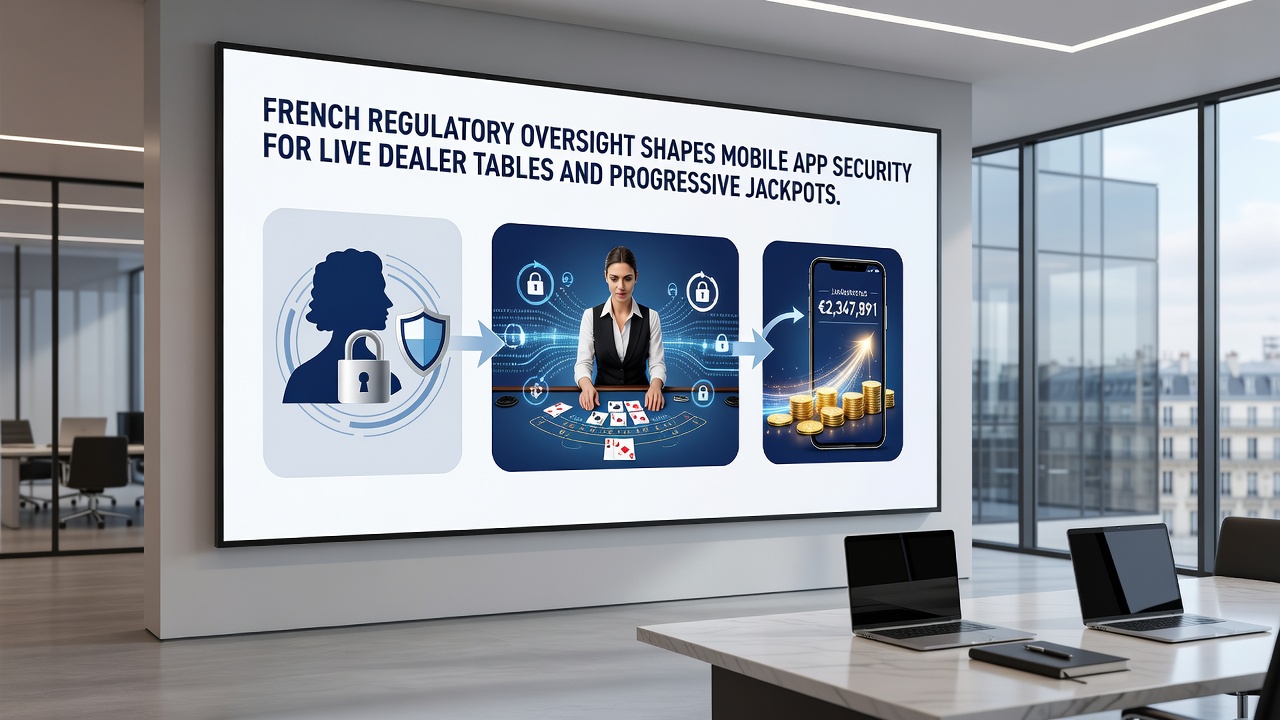
Live dealer tables present unique challenges because they combine video feeds with instant betting actions, and French oversight addresses this through protocol requirements that isolate payment processing from streaming servers. Evidence suggests that separating these functions limits exposure points where data breaches could occur during high-volume sessions. Progressive jackpot slots, meanwhile, rely on centralized random number generators certified by independent labs, with payment protocols ensuring that jackpot contributions transfer securely before each spin registers on mobile devices.
One case where experts examined mobile platforms revealed that operators adhering to licensed protocols experienced fewer account takeover attempts compared to non-compliant applications. The difference stems from mandatory use of tokenized payments that replace sensitive card details with temporary codes, a practice that regulators enforce uniformly across all approved mobile offerings. What's interesting here is how these protocols also support responsible gaming tools, such as deposit limits that activate automatically when linked payment systems detect rapid transaction sequences.
Impact on Mobile Application Development
Developers working on apps for the French market incorporate these security layers from the initial design phase, which means architecture decisions prioritize compatibility with certified payment processors over other features. Studies found that this integration adds development time but yields measurable reductions in post-launch vulnerabilities, particularly those involving jackpot payout calculations that must reconcile across distributed mobile sessions. The regulatory environment encourages ongoing audits, with results feeding back into protocol refinements that keep pace with emerging mobile threats like network spoofing or device-level malware.
Researchers at various institutions have documented how French standards influence neighboring markets, as operators often apply similar payment security measures to maintain consistency across borders. This pattern emerges because the core protocols emphasize interoperability with established banking networks, which reduces friction for users while upholding oversight objectives. Data shows consistent adoption rates among mobile platforms that target French audiences, reflecting the practical advantages of aligning early with licensed requirements.
Conclusion
French regulatory oversight continues to shape mobile app security through structured payment protocols that cover both live dealer tables and progressive jackpot slots. These mechanisms deliver verifiable protections backed by licensing conditions, transaction logging, and encryption mandates that adapt as technology evolves. As updates take effect around August 2026, the emphasis remains on maintaining secure environments where players engage without exposure to preventable risks, supported by the consistent application of established oversight practices.