The Regulatory Landscape Governing Mobile Live Dealer Games in France
Écrit par Ines Neumann · 22/8/2026
The Regulatory Landscape Governing Mobile Live Dealer Games in France
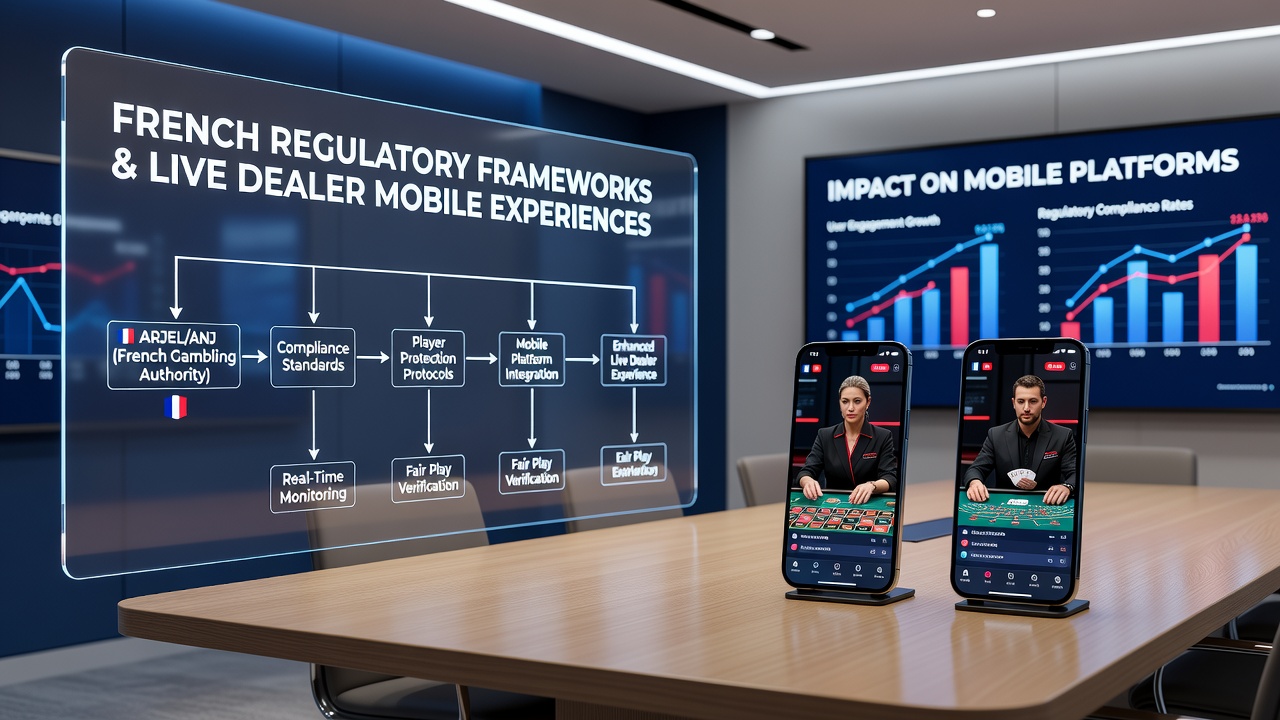
French authorities established a structured licensing system for online gambling that directly shapes how live dealer games reach players through mobile devices, and this framework continues to evolve with technological advances in streaming and app development. The Autorité Nationale des Jeux oversees all approvals for operators who wish to offer real-time table games such as roulette and blackjack on smartphones, requiring strict compliance with data security, game fairness, and responsible gaming measures before any service launches.
Core Licensing Requirements and Their Reach
Operators must obtain a specific license from the national regulator before they can stream live dealer sessions to French residents, and these permits include detailed technical audits that verify video quality, random number generation, and secure payment processing on mobile networks. Data from regulatory filings shows that only a limited number of companies hold active authorizations for live casino products, which concentrates market activity among those who meet ongoing reporting obligations and player protection standards.
Geolocation technology forms a mandatory component of every licensed mobile application, ensuring that sessions remain accessible only within French territory while blocking attempts from outside the jurisdiction. This requirement influences how developers design their apps, forcing integration of continuous location checks that run alongside the live video feeds without interrupting gameplay flow.
Technical Standards for Live Streaming on Mobile
Live dealer platforms face explicit rules on video transmission quality and latency, because regulators demand that every card or wheel outcome appears in real time with no opportunity for manipulation. Studies conducted by European gaming research groups indicate that approved operators invest heavily in dedicated studio facilities and encrypted mobile delivery systems to satisfy these criteria while maintaining smooth performance on varying network speeds.
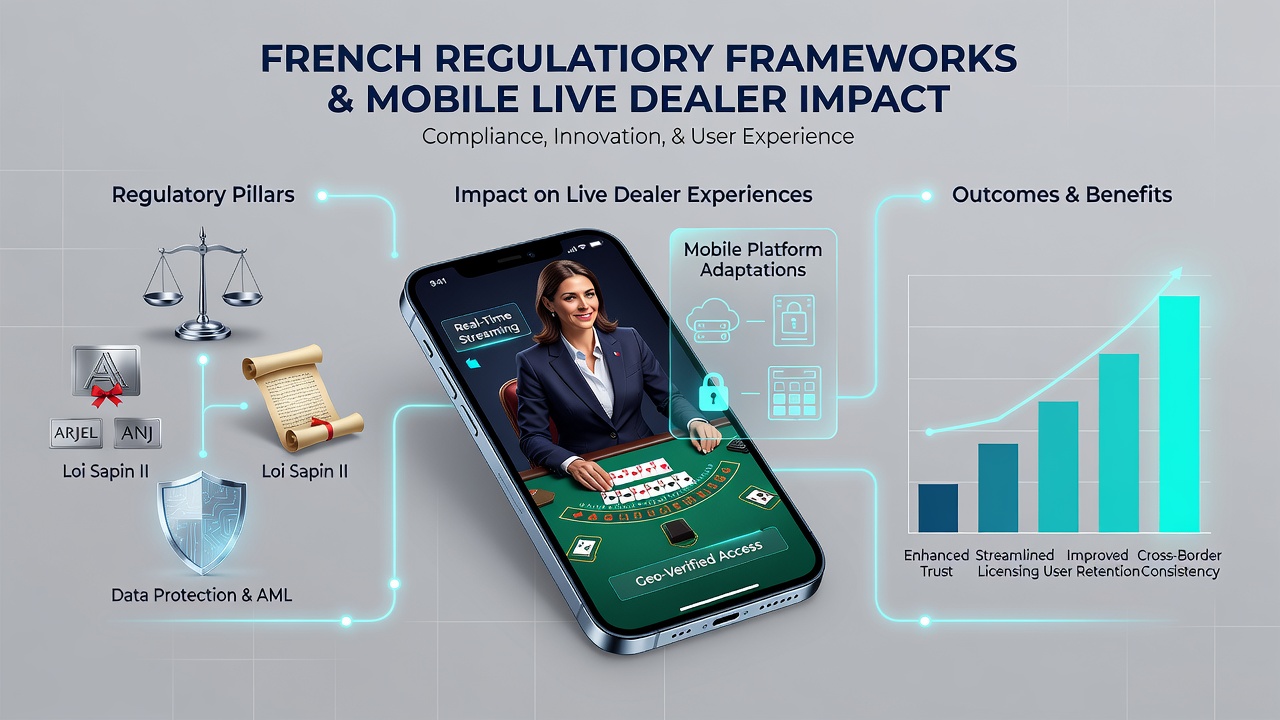
Software providers who supply the underlying platforms must undergo separate certification processes that examine everything from camera angles to dealer training protocols, and this layered approval structure adds time and cost before new titles reach French users. Observers note that these standards have led to partnerships between international studios and local operators who already possess the required national licenses.
Player Protection Rules Applied to Mobile Sessions
Every mobile live dealer interface must display clear deposit limits, session timers, and self-exclusion options that users can activate directly within the app, and these tools receive regular audits to confirm they function correctly across different phone models. According to figures released by the Autorité Nationale des Jeux, enforcement actions have targeted operators whose applications failed to maintain consistent access to these safeguards during live play.
Advertising restrictions further limit how live dealer promotions appear on mobile screens, prohibiting unsolicited notifications that could encourage extended sessions without proper age verification. Industry reports from the European Gaming and Betting Association highlight that French rules in this area remain among the stricter ones in the region, shaping marketing strategies for both domestic and cross-border providers.
Upcoming Adjustments Projected for August 2026
Regulatory updates scheduled to begin implementation in August 2026 will introduce enhanced requirements for artificial intelligence monitoring of live dealer interactions, aiming to detect irregular betting patterns more rapidly on mobile devices. These changes build on existing frameworks and will require operators to upgrade their backend systems to maintain compliance once the new measures activate.
Testing phases for the revised standards have already started with a small group of licensed platforms, allowing regulators to gather performance data before full rollout across the mobile sector. Those who have reviewed the draft guidelines point out that the focus remains on preserving game integrity while accommodating higher volumes of simultaneous users on smartphones and tablets.
Conclusion
The combination of licensing controls, technical mandates, and player safeguards creates a defined environment in which mobile live dealer experiences operate within France, and ongoing refinements such as those planned for 2026 continue to adjust that environment. Operators and technology partners adapt their offerings to align with these rules, resulting in a market where compliance directly determines which games and features become available to users on their devices.